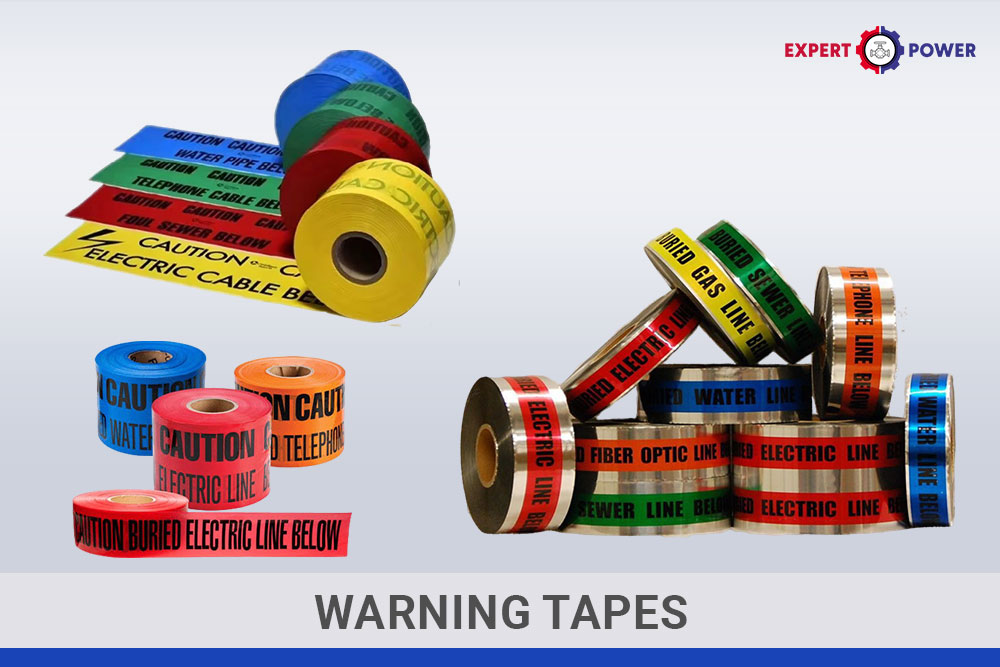
Warning tapes are an important part of MEP identification and safety systems. They are used to mark underground utilities, service lines, buried cables, pipelines, and critical infrastructure routes before excavation or maintenance work begins. In construction, facility management, infrastructure, and industrial projects, warning tapes help prevent accidental damage, service interruption, and safety hazards.
As part of MEP Signs & Tags, warning tapes provide clear visual identification for buried or concealed services such as electrical cables, water lines, telecom cables, fire fighting lines, gas lines, drainage systems, and sewer lines.
Warning tapes are durable, colored marking tapes installed above underground utilities or along service routes to alert workers about the presence of a specific buried line. They usually carry printed warning messages such as Caution Electrical Cable Below, Warning Water Line Below, or Caution Gas Line Below.
These tapes are commonly used in:
MEP services are often installed underground, inside trenches, below flooring, or in concealed service zones. Without proper identification, these services can be accidentally damaged during excavation, drilling, or maintenance work.
Warning tapes help to:
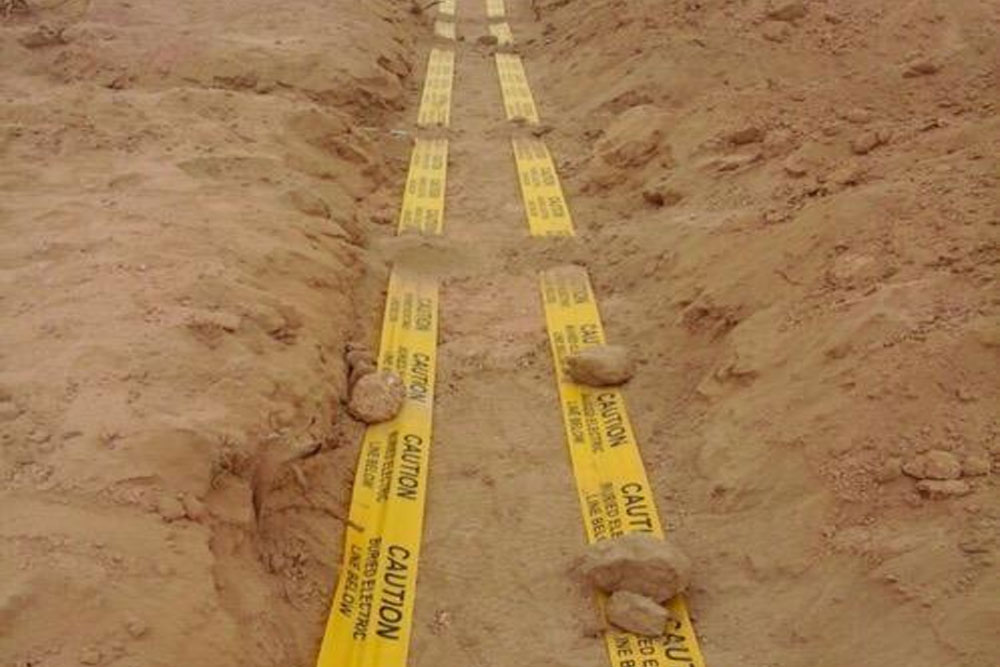
Underground warning tape is used to mark the presence of buried utilities below ground level. It is installed above pipes, cables, or service lines during backfilling so that anyone excavating in the future receives a clear visual warning before reaching the actual utility.
This tape is suitable for general underground service identification, including utility trenches, infrastructure works, and MEP service routes.
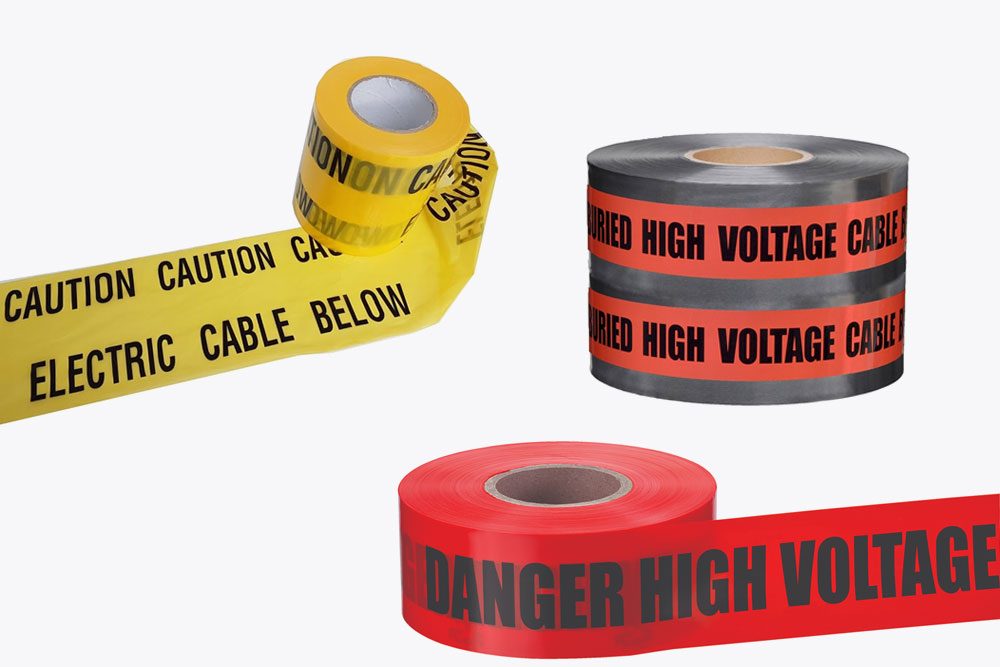
Electrical cable warning tape is used to identify buried or concealed electrical power cables. It helps prevent accidental cable strikes during excavation or maintenance work.
Common printed text includes:
This tape is widely used in commercial buildings, industrial plants, substations, street lighting works, and infrastructure projects.
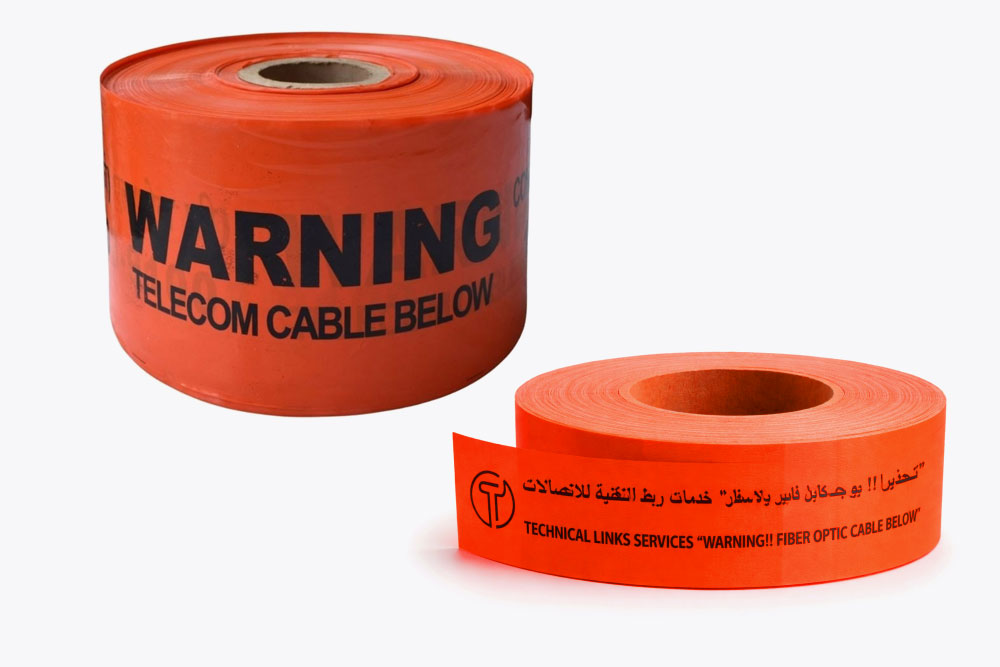
Telecom cable warning tape is used to mark underground telecommunication cables. It helps protect communication networks from accidental damage during civil or MEP works.
It is commonly used for telephone lines, data communication cables, network infrastructure, and external telecom service routes.
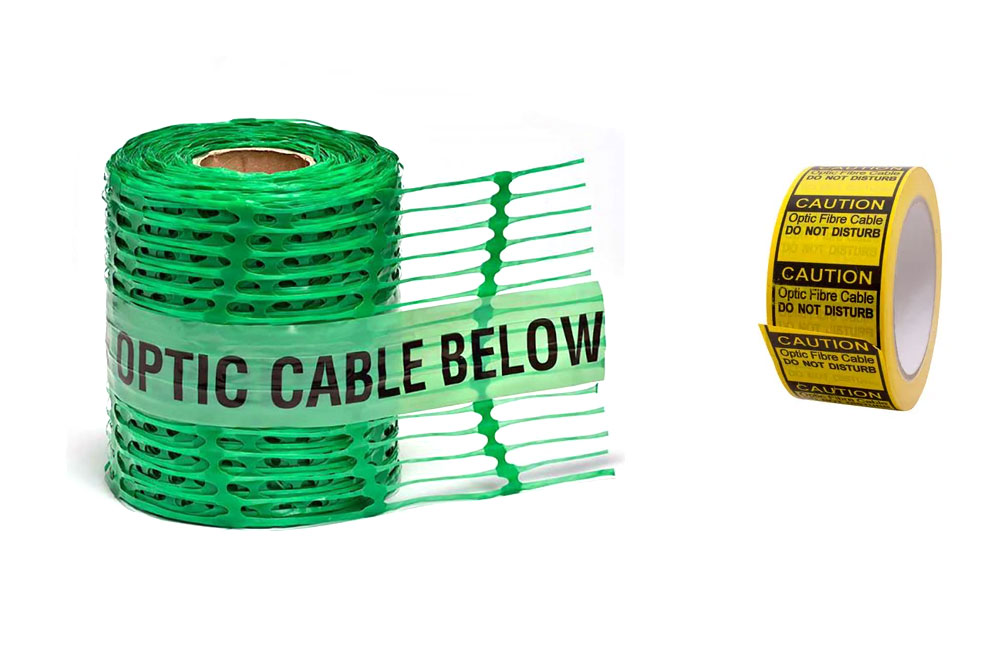
Fiber optic cable warning tape is used to identify buried fiber optic cables. Since fiber optic lines are critical for high-speed communication, internet connectivity, CCTV networks, and data infrastructure, proper marking is essential.
Typical wording may include:
This tape is suitable for data centers, telecom networks, smart buildings, industrial facilities, and infrastructure projects.
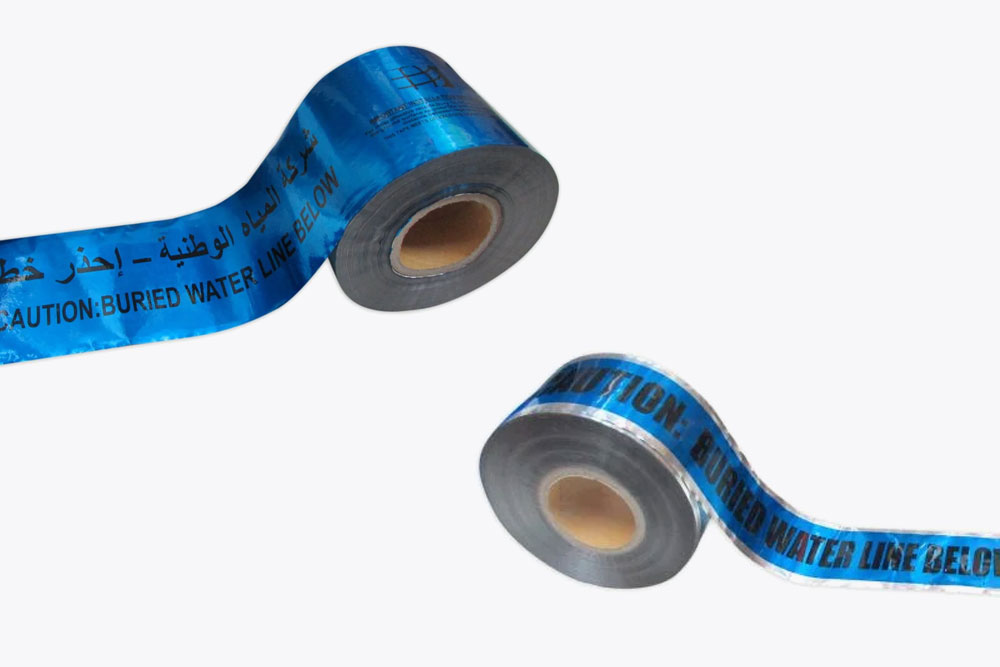
Water line warning tape is used to mark potable water pipelines, domestic water lines, and general water supply services. It alerts workers that a water pipeline is installed below the excavation area.
This helps prevent damage to water supply networks and reduces the risk of leakage, flooding, and service interruption.
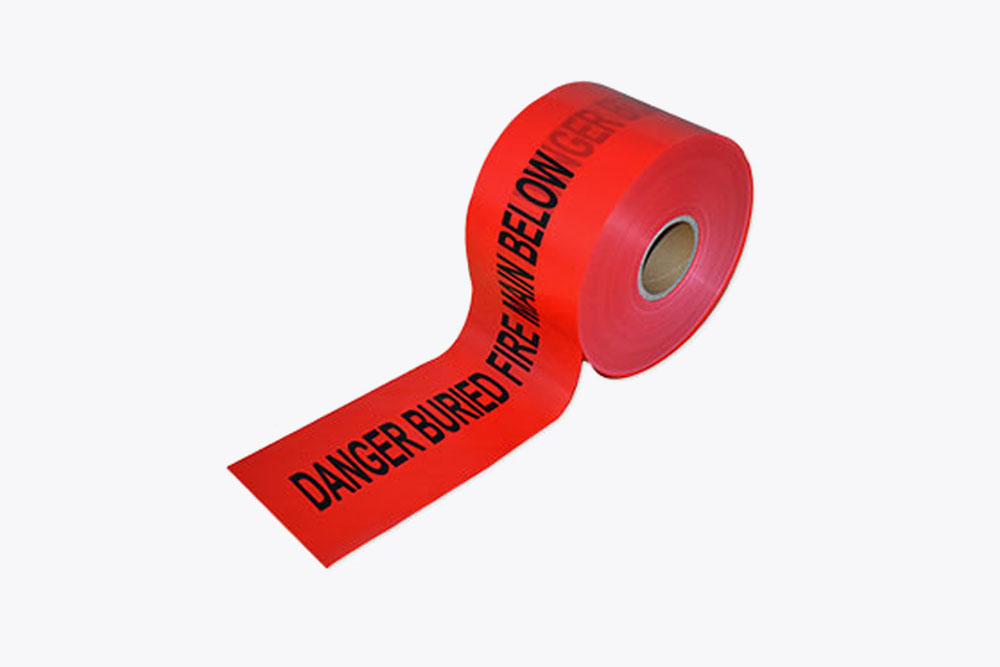
Fire fighting line warning tape is used to mark underground fire protection pipelines, including fire water mains, hydrant lines, sprinkler supply lines, and fire pump connections.
Because fire fighting systems are critical life safety services, clear identification is important for protection, maintenance, and emergency reliability.

Gas line warning tape is used to identify buried gas pipelines. It plays a major role in safety because accidental damage to gas lines can lead to leakage, fire, explosion, and serious hazards.
Typical printed messages include:
This tape is commonly used in industrial facilities, commercial kitchens, utility networks, and infrastructure projects.
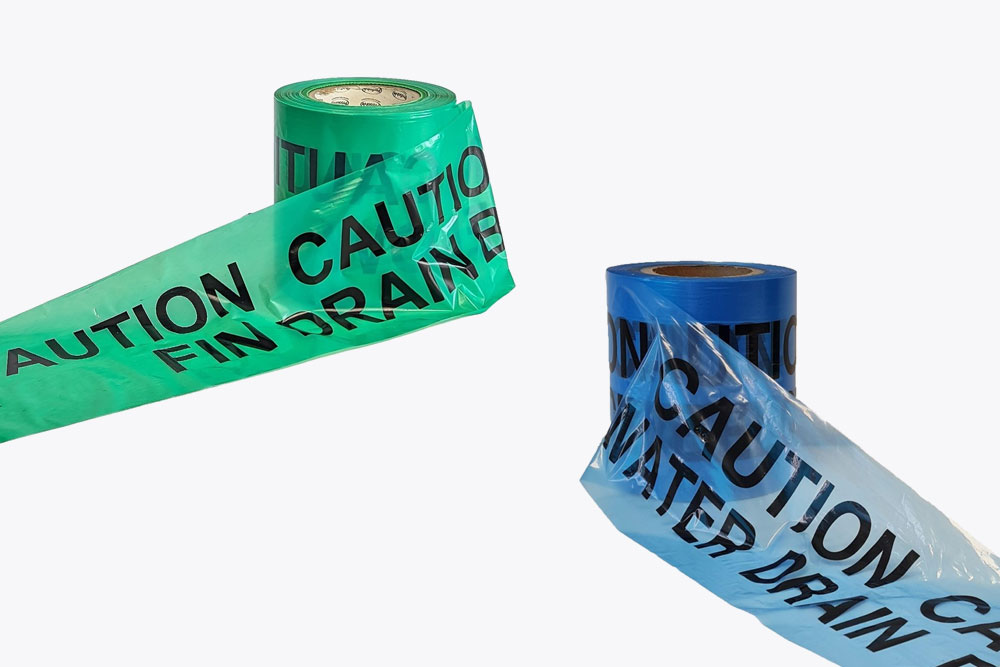
Drainage line warning tape is used to mark underground drainage pipes and stormwater lines. It helps identify drainage routes during excavation, landscaping, roadworks, and building maintenance activities.
Proper marking helps avoid pipe damage, blockage, waterlogging, and drainage system failures.
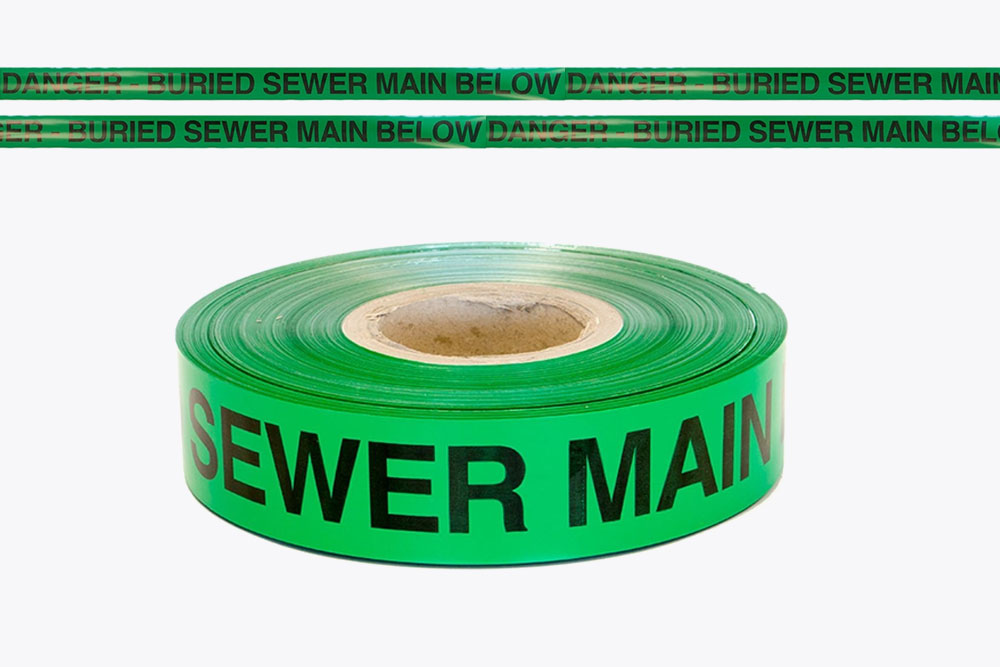
Sewer line warning tape is used to identify buried sewer pipelines and wastewater systems. It provides a clear warning for workers before they reach sewer lines during excavation or repair work.
This tape is commonly used in residential developments, commercial buildings, industrial projects, and municipal infrastructure works.
Warning tapes are typically designed for durability, visibility, and long-term underground use. Depending on the project requirement, they may be supplied in different colors, widths, thicknesses, and printed messages.
Common features include:
For MEP and infrastructure projects, warning tapes can be customized with specific text, utility names, company names, project references, colors, or bilingual messages.
Custom warning tapes are useful when different services need clear identification, such as:
Warning tapes are used across many sectors, including:
In MEP projects, signage and tagging are not limited to visible signs only. Underground identification products such as warning tapes are also part of a complete MEP signs and tags system. They help create a safer and more organized utility network by clearly marking services before they become hidden below ground or inside service zones.
Warning tapes support long-term maintenance, safety, and asset identification throughout the life of a building or infrastructure project.
Warning tapes are simple but essential products for protecting underground MEP services. They help identify buried cables, pipelines, and utility lines before accidental damage occurs. From electrical cables and fiber optic lines to fire fighting, gas, drainage, and sewer systems, the right warning tape improves safety, maintenance, and project reliability.
For construction, MEP, infrastructure, and facility maintenance projects, warning tapes are a practical and cost-effective solution for underground utility identification.

High-quality valves, pumps, fire pumps, pipe fittings, and flow meters designed for optimal performance.
Innovative HVAC solutions and plumbing products including air curtains, water heaters, and vibration control devices.

MEP tags, pressure & temperature instruments and other industrial products.